
Conceived Seed: The Biblical and Natural Case for Life at Fertilization
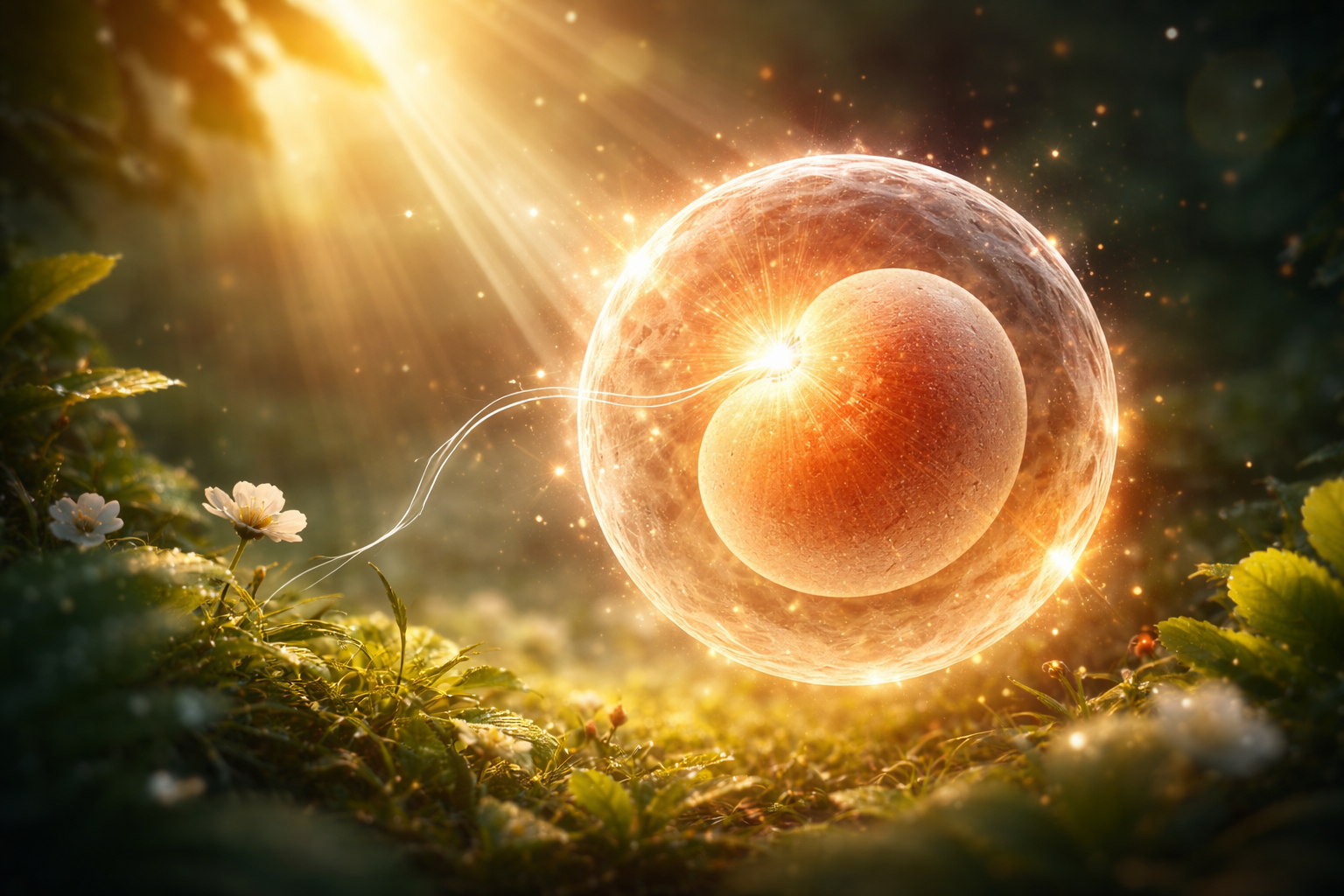
The light of Scripture and nature clearly define conception (i.e. fertilization) as the starting point of individual human life.
While the Bible speaks of conception in a variety of literary contexts and not necessarily in modern scientific terms, the plain meaning of the texts in Scripture that mention the start of individual human life center on the moment of fertilization rather than a later stage of development.
Seed in Scripture
In passages like Numbers 5:28 and Leviticus 12:2, originally written in Hebrew, as well as passages like Hebrews 11:11, originally written in Greek, a woman is clearly described as conceiving "seed"—a term used over one hundred times in Scripture to mean a child. This is the same term used in Leviticus 20:1–5, which contains a firm warning from God against passing "seed" through the fire in child sacrifice. Even the first preaching of the gospel in Genesis 3:15 and Genesis 22:18, cited later in Galatians 3:16–19, refers to Jesus Christ as "seed" who would crush the head of the Serpent and in whom all the nations of the earth shall be blessed.
The connection to Leviticus 20's prohibition against child sacrifice is particularly weighty. If "seed" passed through the fire constitutes the murder of a child, and if conception produces that same "seed," then the destruction of conceived life carries the same moral gravity. The Messianic reference in Genesis 3:15 elevates this further: Christ Himself was prophesied as "seed," suggesting that the dignity of the image-bearer is present from the earliest moment of biological existence.
This consistent biblical pattern—using "seed" to refer to a child from the moment of conception onward—establishes theological continuity of individual human life from fertilization. Scripture applies the same term to the conceived entity that it uses for born children and indeed for Christ Himself.
Seed in Nature
The natural world confirms this understanding. In plant biology, a seed does not exist until the moment of fertilization—the union of sperm and egg. Prior to this event, the plant possesses only an unfertilized ovule, which is definitionally distinct from a seed. As Wikipedia's botanical entry states, "Seeds are the product of the ripened ovule, after the embryo sac is fertilized by sperm from pollen, forming a zygote." The Encyclopaedia Britannica confirms that "development of the ovule into a seed is dependent upon fertilization." The New York Botanical Garden likewise explains that "seeds form from a fertilized ovule after pollination." And Oregon State University Extension reinforces this understanding: "If fertilization is successful, the ovule develops into a seed."
This botanical reality illuminates the biblical usage. When Scripture speaks of a woman conceiving "seed," it employs the same logic that governs the natural order. Just as a seed in the plant kingdom comes into existence at the union of male and female gametes, so too Scripture speaks of human "seed" existing from the moment of conception. The pollen grain containing sperm and the ovule containing the egg become a seed upon their union. Similarly, Scripture does not speak of a woman conceiving mere genetic material but of conceiving a child—"seed"—the same term applied to those sacrificed in Leviticus 20 and to Christ Himself in the protoevangelium.
An Objection Considered: Does Scripture Call Semen "Seed"?
Some may object that Scripture uses "seed" to refer to semen—a pre-union entity—and that this undermines the argument above. However, a careful examination of the Hebrew text reveals that this objection actually strengthens the case for life beginning at fertilization.
When Scripture refers to semen in the context of ceremonial uncleanness (Leviticus 15:16–18, 32; 19:20; 22:4; Numbers 5:13), it does not use the word "seed" (zera) by itself. Instead, it consistently uses the compound phrase shikhvat zera—literally "emission of seed" or "lying of seed." The word zera never stands alone to mean semen. This distinction is significant: Scripture carefully qualifies the term when referring to the male generative contribution, but uses "seed" without qualification when referring to a child.
Furthermore, in these passages semen is treated as ceremonially significant—requiring washing and rendering one unclean until evening—but it is never given the moral or personal status that "seed" carries when referring to offspring. Scripture never calls semen a child.
By contrast, when Scripture speaks of a woman conceiving seed, it uses language that presupposes the union has already occurred. In Numbers 5:28, "she shall be free, and shall conceive seed"—the conception produces the seed; the seed does not exist until conception. In Leviticus 12:2, "If a woman have conceived seed, and born a man child"—again, the seed is the result of conception, not a pre-existing entity. In Hebrews 11:11, Sarah "received strength to conceive seed"—the seed came into being through the act of conception.
The linguistic pattern is consistent: when "seed" appears in a phrase referring to semen, it is never called a child. When "seed" by itself means a child, it is always the product of conception—never the sperm alone. Scripture maintains a clear distinction between the male generative contribution (which requires ceremonial cleansing but carries no personal identity) and the conceived child (who is an image-bearer from that moment forward). This distinction mirrors the botanical reality: the pollen grain is not the seed; the seed exists only after union.
Conclusion
This linguistic, theological, and natural consistency provides a robust foundation for the position that individual human life, bearing the imago Dei, begins at fertilization. Both Scripture and the created order testify with one voice: seed is seed from the moment of union, and the life so conceived is worthy of equal protection under the law.